Chuyển cảnh

Trong lịch sử hội họa, từ việc tái hiện thế giới thực đến nỗ lực diễn giải những tầng ý niệm và trải nghiệm nội tâm, hiện thực song hành với trừu tượng như hai phương thức biểu đạt quan trọng. Với đặc thù riêng, chúng cùng nhau nới rộng khả năng của hội họa trong việc kiến tạo những cách nhìn mới về thế giới và về chính con người.
Trong đó, hội họa hiện thực là khuynh hướng nghệ thuật bắt nguồn tại Pháp và phát triển mạnh mẽ từ giữa thế kỷ 19 như một phản ứng trước tính lý tưởng hóa của Chủ nghĩa Hàn lâm và cảm xúc kịch tính của Chủ nghĩa Lãng mạn. Thay vì hướng đến những đề tài lịch sử, thần thoại hay tôn giáo được lý tưởng hóa, các họa sĩ hiện thực tập trung quan sát và tái hiện thế giới đương thời với sự trung thực về hình thức và điều kiện xã hội. Tuy nhiên, ở đây, hiện thực không đơn thuần là sao chép chính xác ngoại giới, mà là quá trình kiến tạo hình ảnh dựa trên quan sát trực tiếp, đồng thời phản ánh nhận thức, lập trường và bối cảnh văn hóa của người nghệ sĩ. Ngôn ngữ tạo hình của hội họa hiện thực được xây dựng trên nền tảng phối cảnh, giải phẫu, ánh sáng, sắc độ và cấu trúc không gian nhằm tạo nên tính thuyết phục về thị giác. Từ Gustave Courbet (1819 - 1877), Jean-François Millet (1814 - 1875) đến Ilya Repin (1844 - 1930) hay Thomas Eakins (1844 - 1916), hội họa hiện thực không chỉ mở rộng phạm vi đối tượng nghệ thuật sang đời sống thường nhật mà còn đặt nền móng cho sự chuyển dịch từ nghệ thuật mô phỏng sang nghệ thuật như một phương thức nhận thức và phản biện hiện thực.
Khác với hội họa hiện thực ở châu Âu, tư duy mỹ học phương Đông từ lâu đời đã mượn hình ảnh hiện thực để biểu đạt ý và đạo, thay vì xem việc tái hiện thế giới thị giác là mục đích tự thân. Cụ thể, trong truyền thống hội họa Trung Hoa, thiên nhiên không được nhìn như một đối tượng cần sao chép chính xác mà là phương tiện để chuyển tải khí vận, tinh thần và sự hòa hợp giữa con người với vũ trụ. Vì vậy giá trị của một tác phẩm không nằm ở mức độ giống với đối tượng được vẽ, mà ở khả năng nắm bắt thần hơn là hình, chạm đến cảnh giới ý tại ngôn ngoại. Bút pháp, nhịp điệu của đường nét, khoảng trống và sự tiết chế trong màu sắc đều trở thành những yếu tố mang tính biểu đạt, phản ánh trạng thái tinh thần của người họa sĩ hơn là đặc điểm thị giác của sự vật. Theo đó, cùng xuất phát từ thế giới hiện thực, hội họa phương Đông và hội họa hiện thực châu Âu đại diện cho hai hệ tư tưởng mỹ học khác nhau: một bên đặt trọng tâm vào nhận thức và tái hiện hiện tượng của thế giới khả kiến, bên kia hướng đến việc tôn tạo một không gian nơi cảnh vật trở thành biểu hiện của tâm, ý và đạo.
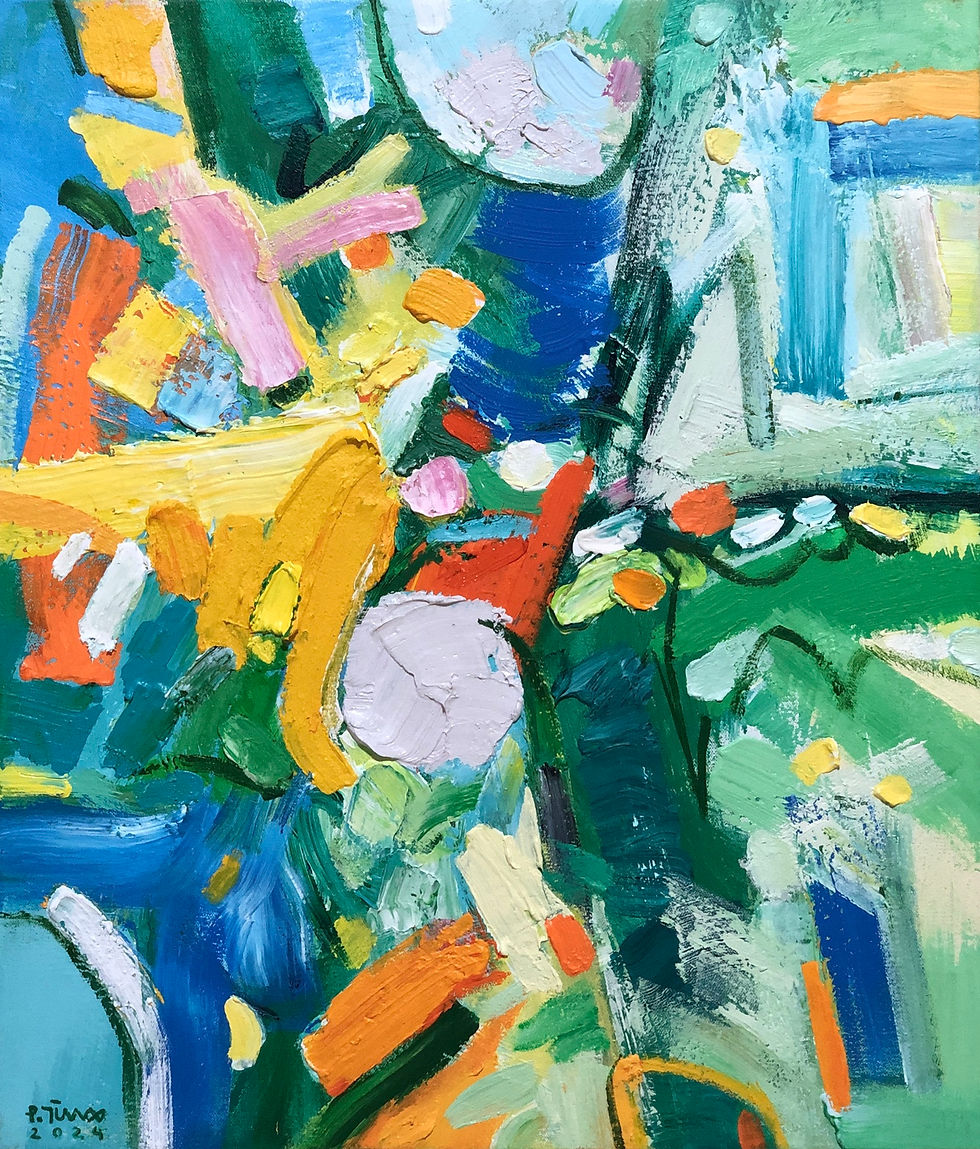
Đánh dấu sự chuyển dịch căn bản từ chủ thể có thể nhận biết thông qua quan sát sang giải phóng đối tượng khỏi việc mô tả rành mạch, hội họa trừu tượng hình thành vào đầu thế kỷ 20. Thay vì lấy đối tượng trong tự nhiên làm trung tâm, hội họa trừu tượng xem đường nét, màu sắc, hình khối, chất liệu và nhịp điệu thị giác là những yếu tố có khả năng kiến tạo ý nghĩa độc lập. Sự ra đời của khuynh hướng này gắn liền với những biến đổi sâu sắc trong triết học, khoa học và mỹ học hiện đại, đồng thời chịu ảnh hưởng phần nào từ các trào lưu tiên phong như Biểu hiện, Lập thể và Vị lai. Trong lịch sử nghệ thuật, Wassily Kandinsky (1866 - 1944) thường được xem là người đặt nền tảng lý luận cho hội họa trừu tượng khi khẳng định khả năng biểu đạt tinh thần của hình và màu vượt khỏi chức năng tái hiện. Tuy nhiên, trừu tượng không đồng nghĩa với sự phủ nhận hiện thực. Nhiều tác phẩm vẫn khởi nguồn từ thiên nhiên, ký ức hoặc trải nghiệm cảm xúc, nhưng thông qua quá trình lược bỏ đã chuyển hóa và tái cấu trúc hình ảnh hoàn toàn.
Những dòng chảy tư tưởng kể trên chính là tiền đề của “Chuyển cảnh” – một cuộc trao đổi nhỏ về sức ảnh hưởng của phương thức biểu đạt lên các sáng tác của 5 họa sĩ trẻ gồm Phạm Đức Tùng (sn. 1983), Trương Văn Ngọc (sn. 1990), Lê Quỳnh Anh (sn. 1995), Nguyễn Hà My (sn. 2000) và Hà Minh Thuận (sn. 2001). Ở đây, ý niệm “Chuyển cảnh” không chỉ gợi lên sự thay đổi của khung cảnh tự nhiên mà trước tiên là tiến trình vận động trong tư duy người nghệ sĩ khi đối diện và diễn đạt hiện thực, không phải cái hiện thực mà con mắt nhìn thấy, mà là hiện thực do suy tưởng tạo dựng. Điều này cũng phản ánh quá trình dịch chuyển của ngôn ngữ hội họa từ khái quát hóa sang cách điệu hóa và tiến đến trừu tượng hóa như một dòng chảy liên tục.
Trong phạm vi triển lãm, dù có khác nhau về hình thái diễn đạt, góc nhìn của năm nghệ sĩ đều hướng tới khám phá mối giao hòa giữa thiên nhiên, ký ức và những chuyển biến trong đời sống tinh thần đậm chất Á Đông. Qua đó, đích đến của trưng bày không nhằm đưa đến một cuộc đối kháng mang tính suy xét nhằm đề cao hội họa tượng hình hay không tượng hình vì thực tế sự xê dịch hai chiều vẫn luôn tiếp diễn trong quá trình thực hành của người nghệ sĩ: từ hiện thực sang trừu tượng và ngược lại. Thay vào đó, mỗi tác phẩm tự bộc bạch trước sự nhạy cảm của người xem, dù thuộc xu hướng này hay xu hướng khác.
Related artist




Trong lịch sử hội họa, từ việc tái hiện thế giới thực đến nỗ lực diễn giải những tầng ý niệm và trải nghiệm nội tâm, hiện thực song hành với trừu tượng như hai phương thức biểu đạt quan trọng. Với đặc thù riêng, chúng cùng nhau nới rộng khả năng của hội họa trong việc kiến tạo những cách nhìn mới về thế giới và về chính con người.
Trong đó, hội họa hiện thực là khuynh hướng nghệ thuật bắt nguồn tại Pháp và phát triển mạnh mẽ từ giữa thế kỷ 19 như một phản ứng trước tính lý tưởng hóa của Chủ nghĩa Hàn lâm và cảm xúc kịch tính của Chủ nghĩa Lãng mạn. Thay vì hướng đến những đề tài lịch sử, thần thoại hay tôn giáo được lý tưởng hóa, các họa sĩ hiện thực tập trung quan sát và tái hiện thế giới đương thời với sự trung thực về hình thức và điều kiện xã hội. Tuy nhiên, ở đây, hiện thực không đơn thuần là sao chép chính xác ngoại giới, mà là quá trình kiến tạo hình ảnh dựa trên quan sát trực tiếp, đồng thời phản ánh nhận thức, lập trường và bối cảnh văn hóa của người nghệ sĩ. Ngôn ngữ tạo hình của hội họa hiện thực được xây dựng trên nền tảng phối cảnh, giải phẫu, ánh sáng, sắc độ và cấu trúc không gian nhằm tạo nên tính thuyết phục về thị giác. Từ Gustave Courbet (1819 - 1877), Jean-François Millet (1814 - 1875) đến Ilya Repin (1844 - 1930) hay Thomas Eakins (1844 - 1916), hội họa hiện thực không chỉ mở rộng phạm vi đối tượng nghệ thuật sang đời sống thường nhật mà còn đặt nền móng cho sự chuyển dịch từ nghệ thuật mô phỏng sang nghệ thuật như một phương thức nhận thức và phản biện hiện thực.
Khác với hội họa hiện thực ở châu Âu, tư duy mỹ học phương Đông từ lâu đời đã mượn hình ảnh hiện thực để biểu đạt ý và đạo, thay vì xem việc tái hiện thế giới thị giác là mục đích tự thân. Cụ thể, trong truyền thống hội họa Trung Hoa, thiên nhiên không được nhìn như một đối tượng cần sao chép chính xác mà là phương tiện để chuyển tải khí vận, tinh thần và sự hòa hợp giữa con người với vũ trụ. Vì vậy giá trị của một tác phẩm không nằm ở mức độ giống với đối tượng được vẽ, mà ở khả năng nắm bắt thần hơn là hình, chạm đến cảnh giới ý tại ngôn ngoại. Bút pháp, nhịp điệu của đường nét, khoảng trống và sự tiết chế trong màu sắc đều trở thành những yếu tố mang tính biểu đạt, phản ánh trạng thái tinh thần của người họa sĩ hơn là đặc điểm thị giác của sự vật. Theo đó, cùng xuất phát từ thế giới hiện thực, hội họa phương Đông và hội họa hiện thực châu Âu đại diện cho hai hệ tư tưởng mỹ học khác nhau: một bên đặt trọng tâm vào nhận thức và tái hiện hiện tượng của thế giới khả kiến, bên kia hướng đến việc tôn tạo một không gian nơi cảnh vật trở thành biểu hiện của tâm, ý và đạo.
Đánh dấu sự chuyển dịch căn bản từ chủ thể có thể nhận biết thông qua quan sát sang giải phóng đối tượng khỏi việc mô tả rành mạch, hội họa trừu tượng hình thành vào đầu thế kỷ 20. Thay vì lấy đối tượng trong tự nhiên làm trung tâm, hội họa trừu tượng xem đường nét, màu sắc, hình khối, chất liệu và nhịp điệu thị giác là những yếu tố có khả năng kiến tạo ý nghĩa độc lập. Sự ra đời của khuynh hướng này gắn liền với những biến đổi sâu sắc trong triết học, khoa học và mỹ học hiện đại, đồng thời chịu ảnh hưởng phần nào từ các trào lưu tiên phong như Biểu hiện, Lập thể và Vị lai. Trong lịch sử nghệ thuật, Wassily Kandinsky (1866 - 1944) thường được xem là người đặt nền tảng lý luận cho hội họa trừu tượng khi khẳng định khả năng biểu đạt tinh thần của hình và màu vượt khỏi chức năng tái hiện. Tuy nhiên, trừu tượng không đồng nghĩa với sự phủ nhận hiện thực. Nhiều tác phẩm vẫn khởi nguồn từ thiên nhiên, ký ức hoặc trải nghiệm cảm xúc, nhưng thông qua quá trình lược bỏ đã chuyển hóa và tái cấu trúc hình ảnh hoàn toàn.
Những dòng chảy tư tưởng kể trên chính là tiền đề của “Chuyển cảnh” – một cuộc trao đổi nhỏ về sức ảnh hưởng của phương thức biểu đạt lên các sáng tác của 5 họa sĩ trẻ gồm Phạm Đức Tùng (sn. 1983), Trương Văn Ngọc (sn. 1990), Lê Quỳnh Anh (sn. 1995), Nguyễn Hà My (sn. 2000) và Hà Minh Thuận (sn. 2001). Ở đây, ý niệm “Chuyển cảnh” không chỉ gợi lên sự thay đổi của khung cảnh tự nhiên mà trước tiên là tiến trình vận động trong tư duy người nghệ sĩ khi đối diện và diễn đạt hiện thực, không phải cái hiện thực mà con mắt nhìn thấy, mà là hiện thực do suy tưởng tạo dựng. Điều này cũng phản ánh quá trình dịch chuyển của ngôn ngữ hội họa từ khái quát hóa sang cách điệu hóa và tiến đến trừu tượng hóa như một dòng chảy liên tục.
Trong phạm vi triển lãm, dù có khác nhau về hình thái diễn đạt, góc nhìn của năm nghệ sĩ đều hướng tới khám phá mối giao hòa giữa thiên nhiên, ký ức và những chuyển biến trong đời sống tinh thần đậm chất Á Đông. Qua đó, đích đến của trưng bày không nhằm đưa đến một cuộc đối kháng mang tính suy xét nhằm đề cao hội họa tượng hình hay không tượng hình vì thực tế sự xê dịch hai chiều vẫn luôn tiếp diễn trong quá trình thực hành của người nghệ sĩ: từ hiện thực sang trừu tượng và ngược lại. Thay vào đó, mỗi tác phẩm tự bộc bạch trước sự nhạy cảm của người xem, dù thuộc xu hướng này hay xu hướng khác.


